
From Congress To Left To TMC: ...
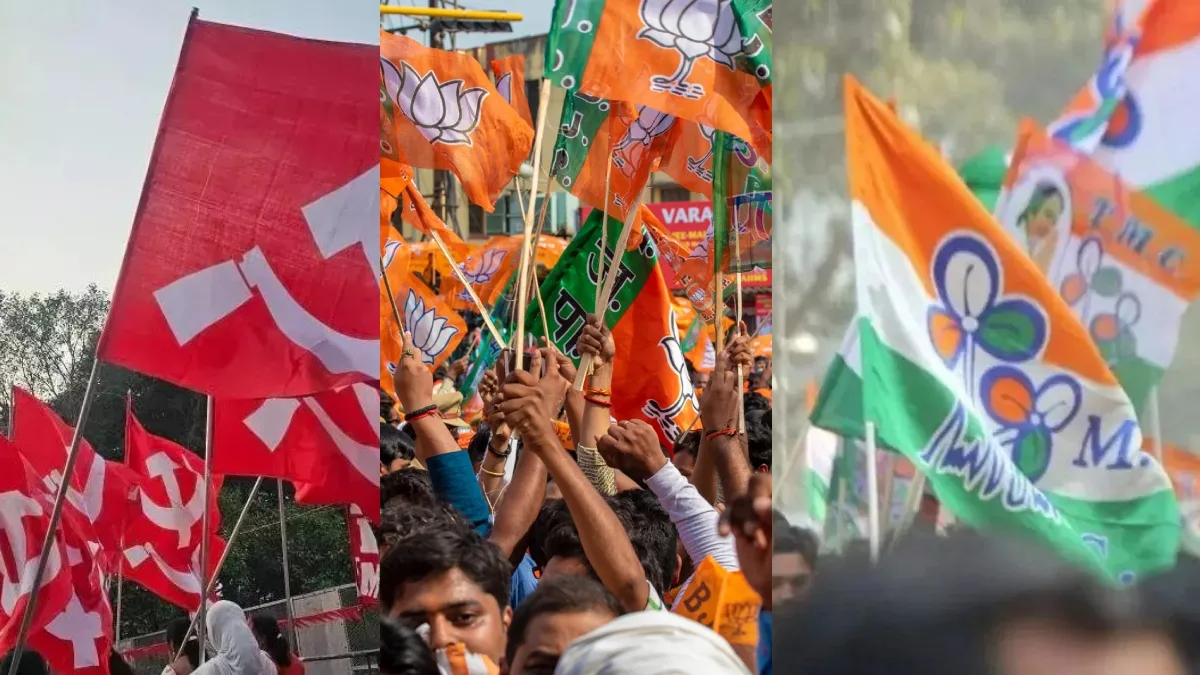
West Bengal’s political map has been reshaped repeatedly since Independence. The Congress dominated early many years, however the 1977 Left Entrance victory inaugurated an extended period of CPI(M)-led rule constructed on rural mobilisation, land reform narratives and a strong cadre community. That Left dominance started to fray within the late 2000s amid agrarian discontent, industrial coverage clashes and the erosion of the social gathering’s native penetration; Mamata Banerjee’s Trinamool Congress (TMC) capitalised on that opening and swept to energy in 2011 by promising regional assertion, populist welfare and a break from decade-long Left bureaucratisation. Over the subsequent decade the TMC consolidated a patronage ecosystem and a tightly-woven native organisation that proved resilient to anti-incumbency.
Why TMC remained the fixed winner in Bengal
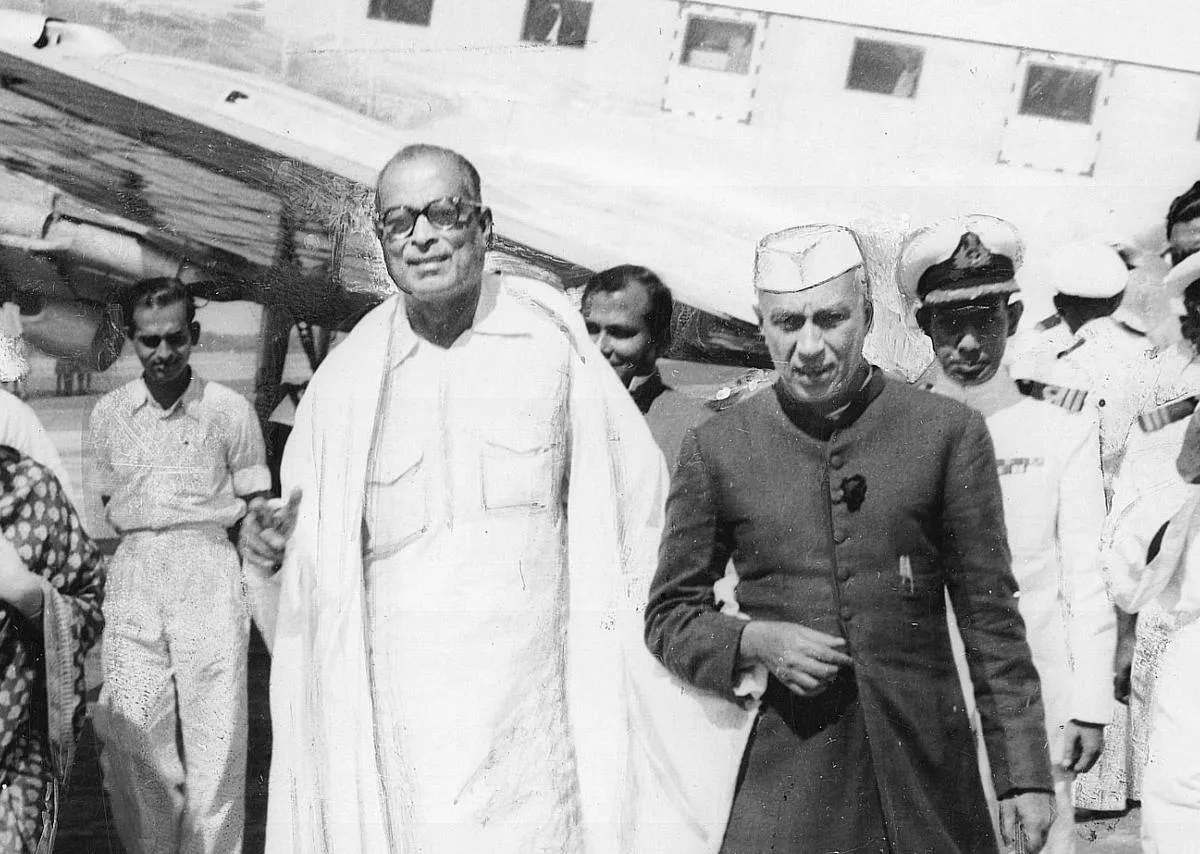
Three linked strengths assist clarify the TMC’s continued electoral sturdiness. First, grassroots attain and personalised welfare: TMC’s native networks, from panchayats to city municipal our bodies, stored service supply, transfers and native affect flowing into constituencies, creating direct incentives for voters to remain loyal. Second, the social gathering’s capacity to soak up and repurpose dissident politics: TMC repeatedly co-opted regional leaders and social teams that had earlier backed Congress or the Left, hollowing out organised opposition and denying rivals a steady platform. Third, the TMC cultivated cross-community enchantment: it retained substantial Muslim help by positioning itself as their most dependable protector in opposition to exclusionary central insurance policies or communal polarisation, which issues in a state the place Muslims are a major electoral constituency (round one quarter to almost 30% by varied counts). These mixed elements clarify why TMC received repeatedly whilst nationwide currents pulled elsewhere.

BJP’s inroads — and the Muslim query
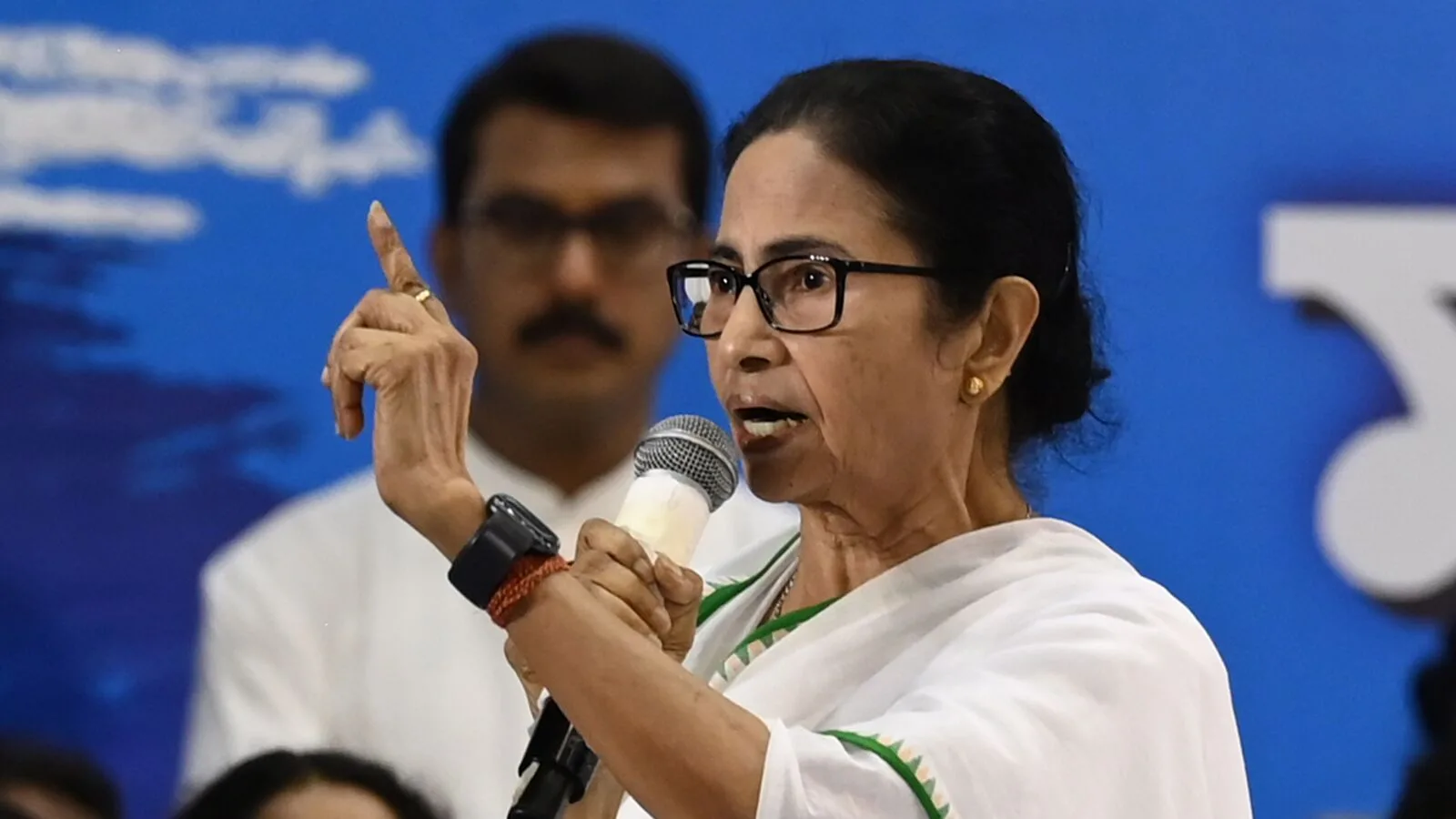
The BJP’s surge in Bengal since 2014 (and particularly in 2019–2021) was pushed by a nationwide Hindutva wave, organisational funding and exploiting anti-incumbency at occasions. It made notable positive factors amongst sections of Hindu voters and in seats with fractured non-BJP opposition. However penetrating the Muslim vote was (and stays) onerous. Muslim voters in Bengal haven’t been monolithic; whereas some segments have shifted between Congress, Left and TMC over many years, a consolidated cue from TMC management and fears about exclusion beneath a hardline Hindutva narrative stored a lot of the group aligned with Mamata’s social gathering. The BJP has subsequently been compelled into two strikes: first, sharpen communal polarisation to mobilise Hindu consolidation; second, extra just lately, strive restricted outreach to “nationalistic” or disaffected Muslims, an express change of tack reported within the Indian Specific piece, the place BJP leaders converse of focusing on sections of minority voters “now in opposition to the TMC” and of cultivating “rashtravadi Muslims.”
Why outreach is difficult and the place it may matter
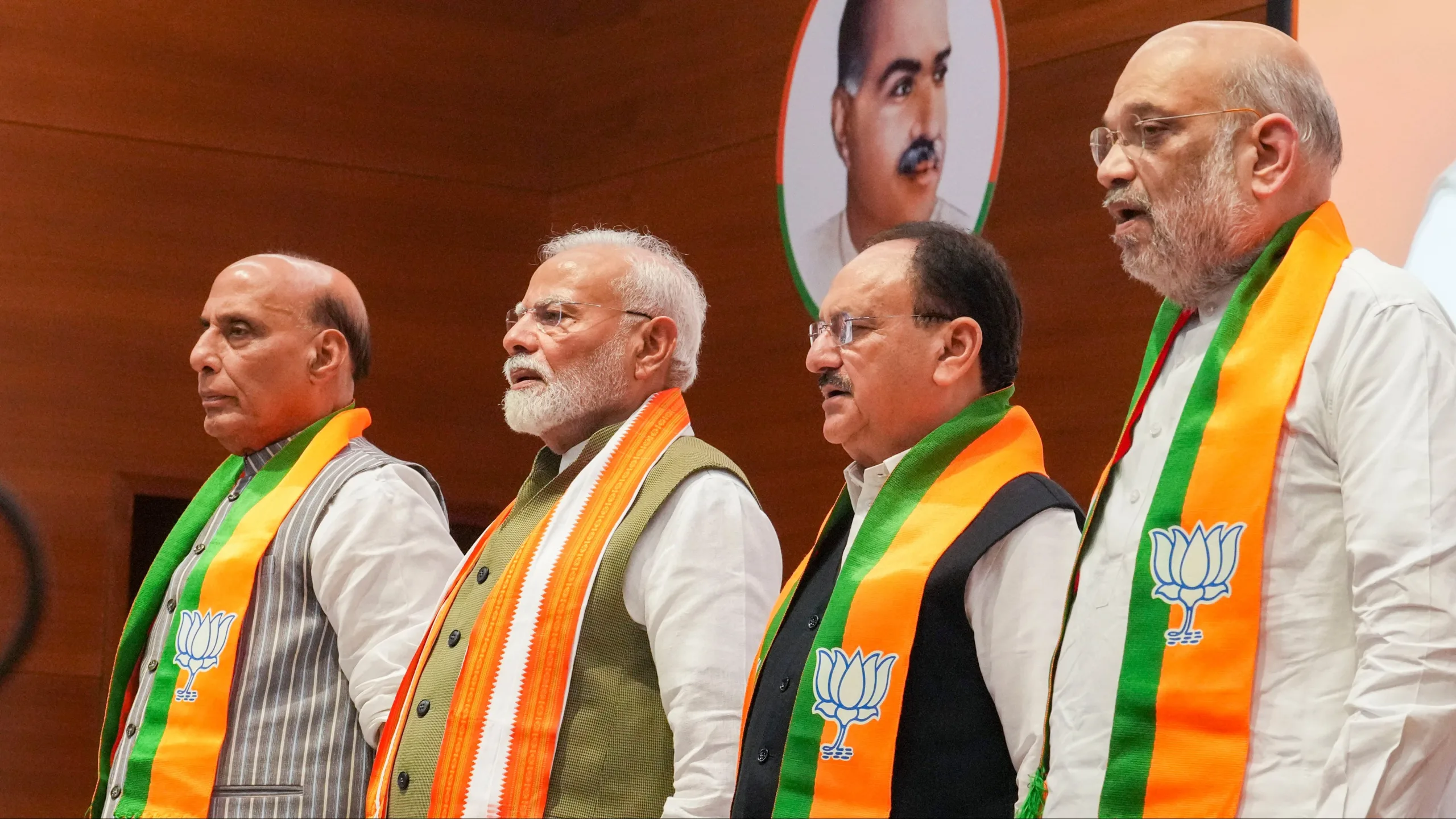
The BJP’s new messaging, distinguishing between “infiltrators/jihadis” and “patriotic Muslims” and even courting the latter, is tactical. It responds to political actuality: Muslims type decisive minorities in lots of constituencies even the place they aren’t a majority, so peeling off even a small slice can change outcomes. However the technique is fraught. Labeling or dividing communities invitations fierce pushback from secular events, civil society and group leaders (the TMC and Left have condemned such strikes), and sensible successes are blended: BJP stays electorally weak the place Muslim voters keep consolidated or the place native TMC patronage is robust. Latest by-polls have proven the TMC nonetheless in a position to maintain floor in lots of constituencies, a reminder that social engineering alone can’t substitute for floor presence and welfare politics.
Historic vote-bank shifts: Congress→Left→TMC (and the BJP interlude)
The important sample throughout Bengal is not only social gathering change however clientelist realignment. Congress gave approach to the Left on the again of sophistication and land politics; the Left itself misplaced base in pockets the place it did not renew management or tackle new financial grievances; TMC rose as a populist, regional different that stitched collectively huge social coalitions (ladies beneficiaries, poor rural voters, sure center courses and substantial Muslim help). The BJP’s rise disrupted that sample by mobilising a broad Hindu consolidation and interesting to identification politics; but it lacked the identical welfare-patronage networks and couldn’t wholly substitute the TMC’s embeddedness. In lots of seats the BJP both splits the anti-TMC vote or loses to TMC as a result of Muslim voters consolidate in opposition to a perceived communal menace. Scholarly and journalistic research present Muslim voting in Bengal is strategic and context-driven; when options seem credible, shifts occur, however when identification stakes really feel excessive, consolidation happens.
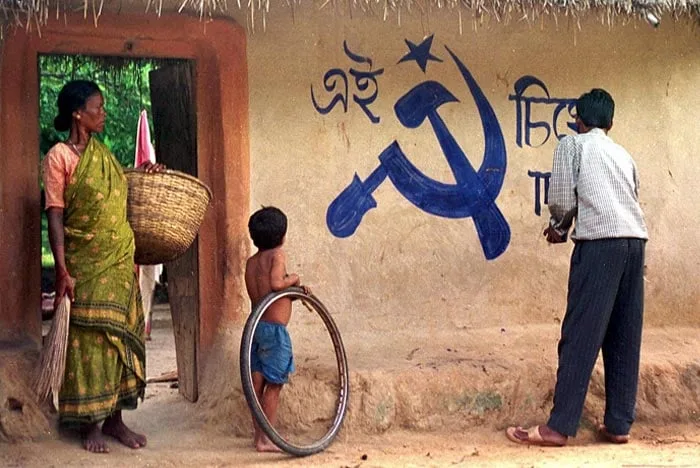
Is TMC able to “hand the baton” to the best?
Two eventualities matter. If the BJP manages to (a) neutralise TMC’s native networks by co-opting leaders and delivering tangible native governance positive factors, and (b) peel off sufficient Hindu plus a major slice of Muslim, it may convert its nationwide momentum right into a sturdy state majority. However that requires greater than rhetoric: it wants sustained native cadres, welfare supply, and legitimacy in minority-dominated pockets, all traditionally weak factors for BJP. Conversely, if TMC repairs governance gaps, avoids main scandals, and continues to current itself because the secular guarantor of native pursuits, whereas the opposition stays fragmented, it will probably stay the anchor of Bengal politics. Latest reporting suggests each events are studying: BJP is fine-tuning outreach, TMC is doubling down on patronage and polarisation rebuttals. The steadiness might be determined on the micro-level in lots of marginal seats.
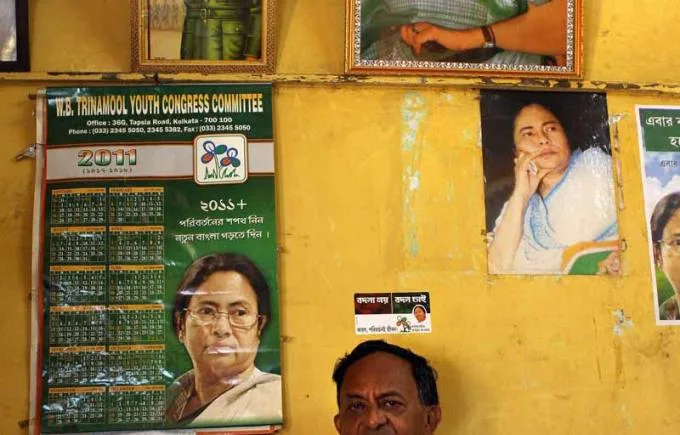
Structural politics, not headlines, will determine 2026
Bengal’s politics is about organisational depth and social relations as a lot as slogans. The BJP’s experiment with minority outreach indicators strategic adaptation, however it doesn’t assure success, particularly the place TMC’s native equipment and Muslim voter warning stay strong. The bigger lesson is that Bengal’s electoral future might be determined much less by single-issue polarisation and extra by who can translate native credibility, service supply and cross-community reassurance into votes. If the BJP can construct credible native governance narratives and allay minority anxieties, the baton may conceivably cross. For now, nevertheless, the TMC’s report of incumbency, cross-community coalitions and adaptableness retains it the favoured holder, until 2026 produces a a lot stronger, institutionally embedded different.
Trending Merchandise


